If Your Fence Line Crosses an Easement
Some lots have an easement along the back or the side, a strip set aside for drainage or for public use. Schertz lets a fence cross one, with conditions that depend on the kind of easement.
Drainage Easements
A fence in a drainage easement needs a bar screen along the bottom so water can get through. We plan that into the fence from the start rather than adding it later, so the bottom of the fence is built for it.
Public Easements
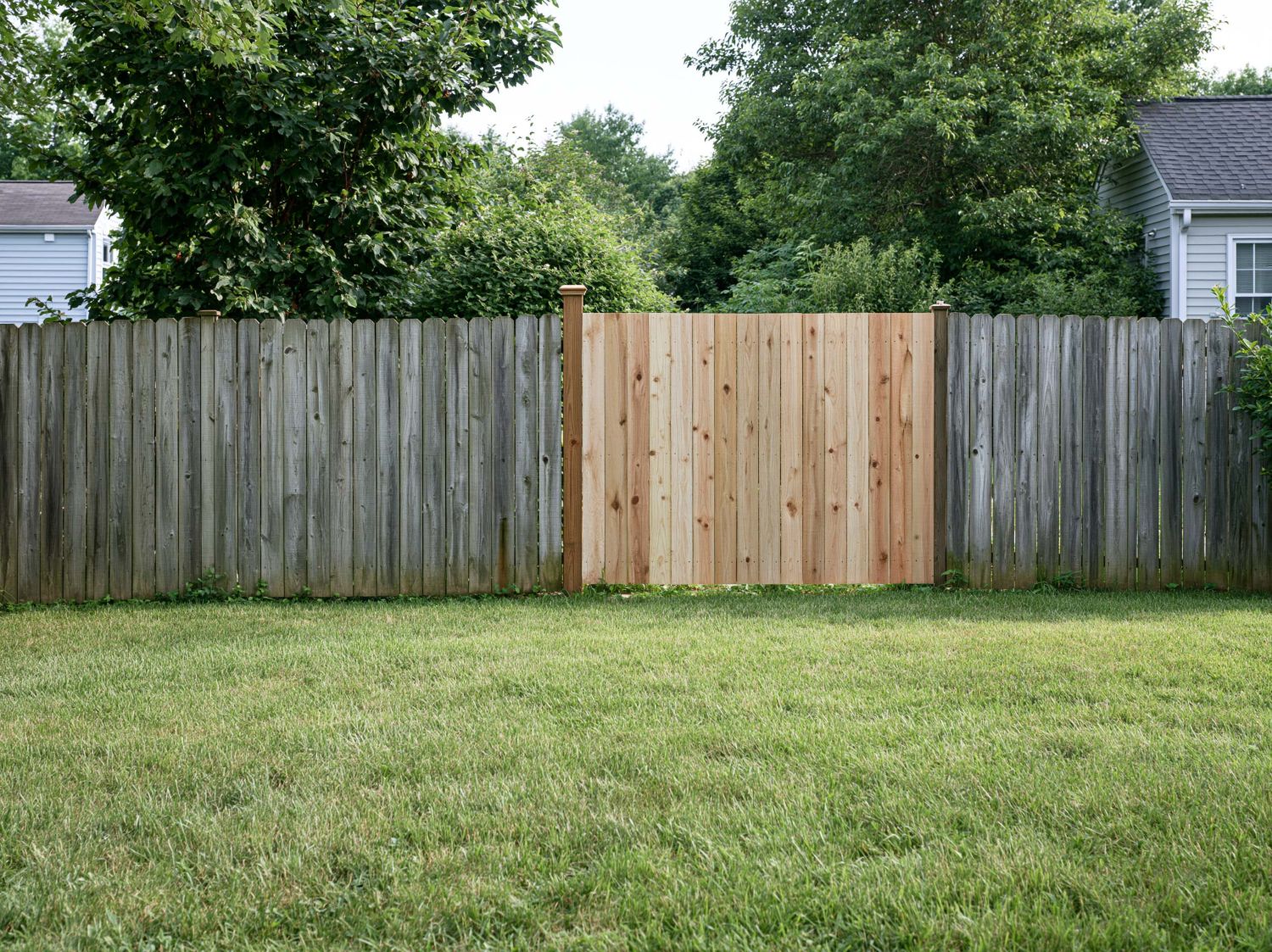
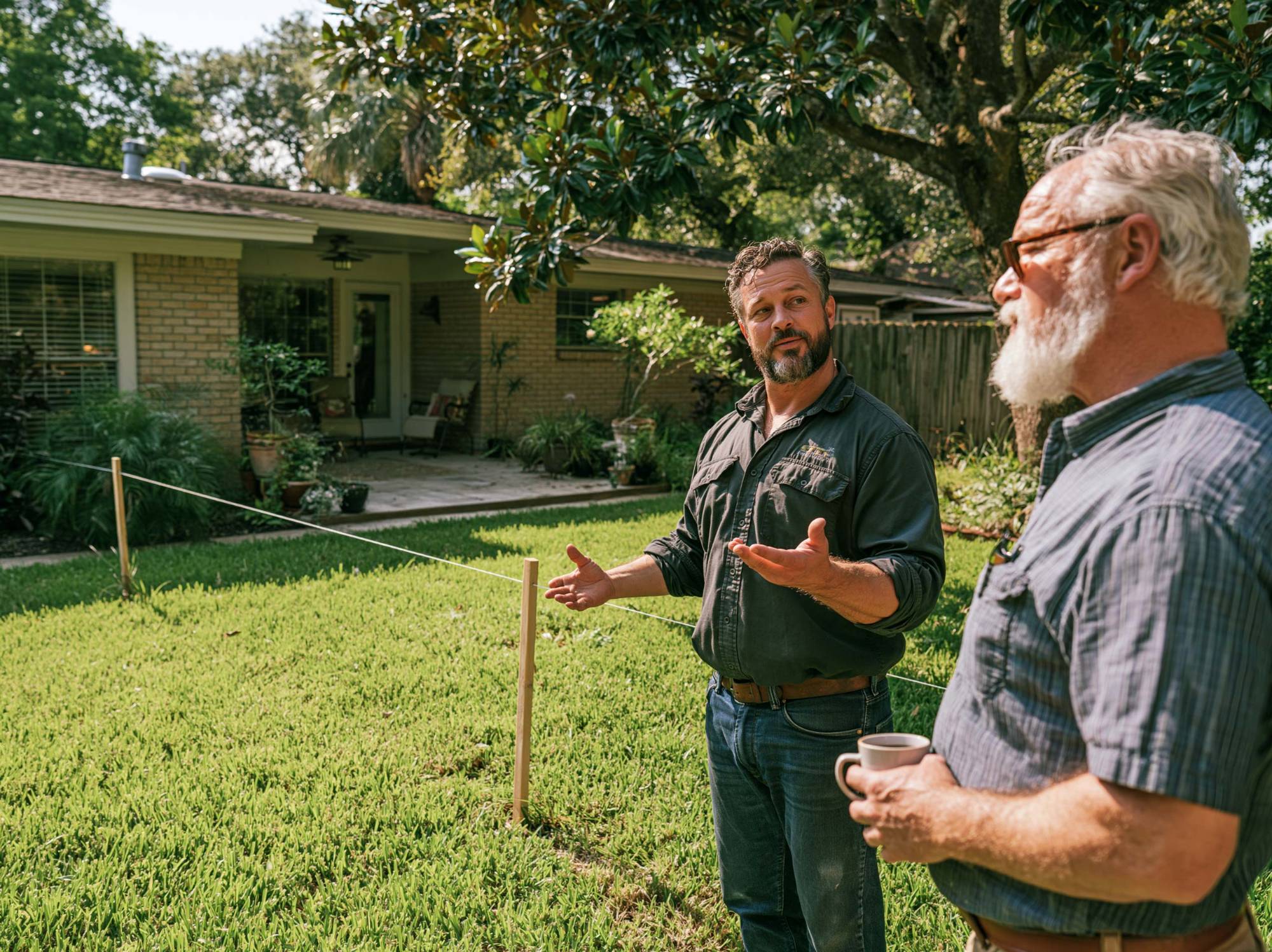
Where the easement is a public one, the fence needs a gate or a panel that comes out, so the easement can still be reached for maintenance, and that can apply to a drainage easement too. The city isn't responsible for damage to a fence from work in the easement. We'll show you where the gate or removable panel goes when we lay out the line.
Finding Where Your Easements Run
Easements can show on your lot's recorded plat, the drawing filed when the subdivision was approved. In Schertz, the plat is recorded with the county clerk for whichever county the lot is in, and that can be Bexar, Guadalupe or Comal, so we find yours in the right county's records before the fence line is drawn.
The permit application goes in with a survey of the lot showing its easements, property lines and setbacks, with the new fence marked on it. If there's a survey of your lot, we work from that. If there isn't one, we work out with the city what drawing will do instead.
If Your Lot Is in a Flood Area
If the lot is in a mapped flood area, Schertz requires a floodplain permit too, and the fence may need openings that let water through. We find out what the city needs for your fence there before the posts go in.